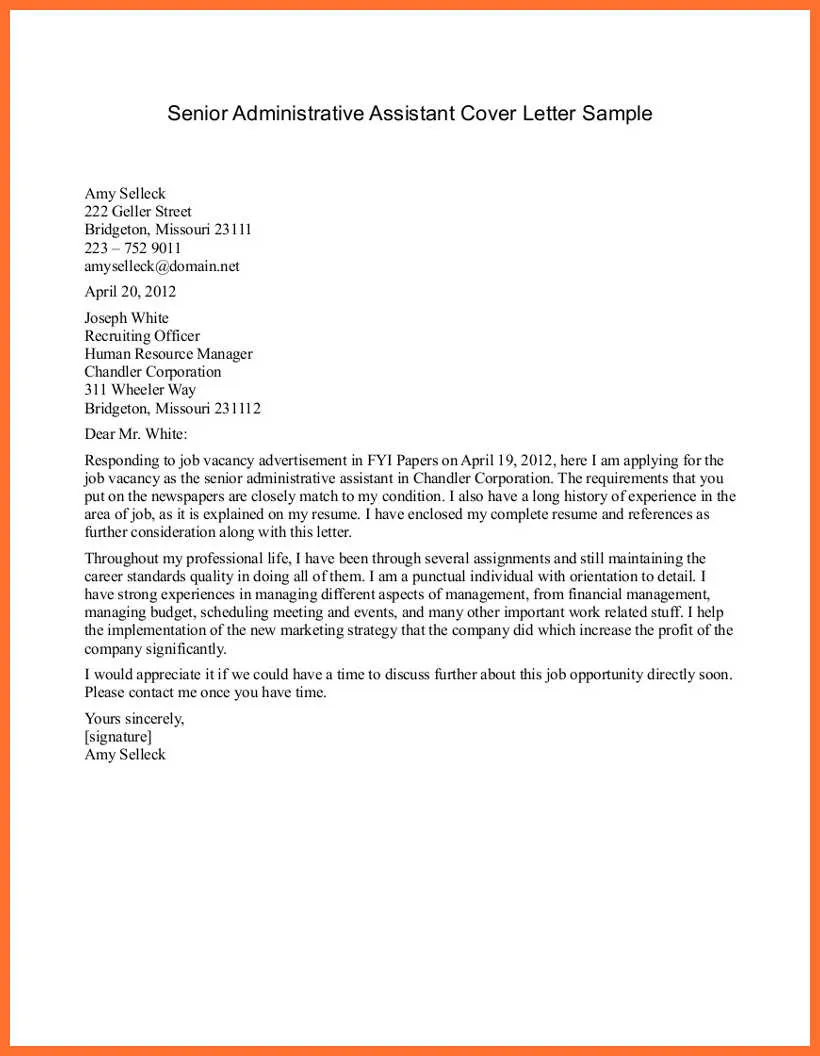
What is a Cover Letter?
A cover letter is a crucial document accompanying your resume when applying for a job. It’s your chance to introduce yourself to a potential employer, highlight your relevant skills and experiences, and express your genuine interest in the position. Think of it as your personal sales pitch, designed to grab the hiring manager’s attention and convince them to delve deeper into your qualifications. Unlike a resume, which presents a concise overview of your career, a cover letter allows you to elaborate on specific achievements, explain any gaps in your employment history, and demonstrate your personality. A well-crafted cover letter shows you’ve taken the time to understand the role and the company, making you stand out from other candidates.
Why Cover Letters Are Important
In today’s competitive job market, a cover letter is no longer optional; it’s often essential. It allows you to personalize your application and demonstrate your genuine interest in the specific opportunity. A cover letter lets you connect the dots for the hiring manager, explaining how your skills and experiences align with the job requirements. It’s a chance to showcase your writing skills, your communication style, and your understanding of the company culture. Furthermore, a cover letter provides context for your resume, allowing you to elaborate on key achievements and explain any career transitions or gaps. By expressing your enthusiasm and making a compelling case for why you’re the ideal candidate, a cover letter significantly increases your chances of landing an interview.
Cover Letter vs Resume

While both the cover letter and resume are essential components of a job application, they serve distinct purposes. Your resume is a factual, chronological record of your work history, skills, and education. It provides a concise overview of your qualifications, typically in a bullet-point format, and is designed to be easily scannable by hiring managers. A cover letter, on the other hand, is a narrative document. It’s where you can expand on the information in your resume, explain your career goals, and express your personality. The cover letter allows you to tailor your application to a specific job, highlighting the skills and experiences most relevant to the position. A resume is a summary, and a cover letter is the story behind it. The resume lists the what, and the cover letter explains the why and the how.
Cover Letter Structure
A well-structured cover letter follows a clear and logical format. This ensures that your message is easy to read and understand. It typically includes a header, a greeting, an opening paragraph, body paragraphs (usually two or three), a closing paragraph, and a signature. Each section plays a vital role in conveying your qualifications and expressing your interest. The structure provides a framework for presenting your skills, experiences, and enthusiasm in a concise and compelling manner. The key to a great cover letter is ensuring each element works together to create a positive impression and convince the hiring manager to read your resume and consider your application carefully.
Header Information
The header of your cover letter should include your contact information: your name, phone number, email address, and optionally, your LinkedIn profile URL. This ensures the hiring manager can easily contact you if they’re interested in your application. Also, include the date, and the hiring manager’s name and address, if available. If you’re sending an email, the header can be placed at the top of the email body or included as part of the attached cover letter document. Make sure the information is accurate and up-to-date, and that your email address and phone number present a professional image. Consistency in formatting across your resume and cover letter is key for a professional look.
Opening Paragraph

The opening paragraph is your first opportunity to grab the hiring manager’s attention. Start by clearly stating the position you’re applying for and how you found the job posting. Briefly mention something that immediately demonstrates your understanding of the company and the role. Show your enthusiasm for the opportunity right away. A strong opening paragraph should immediately answer the question: “Why should I read further?” This section sets the tone for the entire letter and makes the hiring manager want to read more. The best opening paragraphs are concise, engaging, and tailored to the specific job and company.
Body Paragraphs
The body paragraphs are where you provide the substance of your cover letter. Focus on highlighting your key skills and experiences that directly align with the job requirements. Use specific examples to illustrate your achievements and quantify your results whenever possible. Instead of simply listing your responsibilities, explain how you contributed to projects, solved problems, or improved processes. Tailor each paragraph to the job description, emphasizing the skills and experiences the employer values most. The goal is to convince the hiring manager that you have the skills and experience to be successful in the role. Back up your claims with concrete evidence from your past experiences.
Highlight Your Skills
Identify the key skills mentioned in the job description and demonstrate how you possess them. Use action verbs to describe your accomplishments and responsibilities. For each skill, provide a specific example that showcases how you used that skill in a previous role or project. For instance, if the job description mentions “project management skills,” you might describe a project you successfully led, detailing your role, the challenges you overcame, and the results you achieved. Focus on the skills most relevant to the position and try to balance hard skills with soft skills like communication and teamwork.
Quantify Your Achievements

Whenever possible, quantify your achievements to demonstrate your impact. Instead of saying “Improved customer satisfaction,” say “Increased customer satisfaction scores by 15% through implementing a new feedback system.” Numbers and data add credibility to your claims and make them more compelling. For example, if you managed a team, mention the size of the team, the budget you managed, or the projects you completed. Using numbers provides concrete evidence of your ability to achieve results and measure success. If you can, use percentages, dollar amounts, or any other metrics that show the value you brought to your previous employers or projects.
Show Enthusiasm
Express your genuine interest in the company and the role. Show that you’ve done your research by mentioning something specific about the company that excites you or aligns with your values. This demonstrates that you’re not just sending out a generic cover letter. Explain why you’re interested in this particular opportunity and how it fits into your career goals. Enthusiasm can be contagious and makes a positive impression on the hiring manager. A simple sentence about why you are excited about the opportunity, or a specific aspect of the company, can make a big difference.
Closing Paragraph
The closing paragraph should reiterate your interest in the position and express your eagerness for an interview. Thank the hiring manager for their time and consideration. Reiterate your key qualifications and restate how you can add value to the company. Keep the tone positive and professional. This is your final chance to make a positive impression and leave the reader with a clear understanding of your qualifications and enthusiasm. A strong closing paragraph leaves a lasting impression.
Call to Action

Include a clear call to action. Tell the hiring manager that you’re available for an interview and provide your contact information again. Make it easy for them to get in touch with you. Use a phrase like “I am available for an interview at your earliest convenience” or “I look forward to hearing from you soon.” A clear call to action encourages the hiring manager to take the next step and contact you. It’s a subtle yet effective way to prompt the hiring manager to move forward with your application.
Proofread and Edit
Proofreading is essential. Before sending your cover letter, carefully proofread it for any grammatical errors, spelling mistakes, or typos. Ask a friend or family member to review it as a fresh pair of eyes can often catch errors you might miss. Errors, no matter how small, can undermine your credibility and make you look unprofessional. Ensure your cover letter is free of errors, well-organized, and easy to read. Proper grammar and clear writing demonstrate attention to detail, one of the crucial qualities employers look for in candidates. Ensure the formatting is consistent throughout, and that the font is professional and easy to read.
Example of a Simple Cover Letter
Here’s a basic example to help you get started. Remember to customize this to your own skills and experience and the specific job to which you’re applying.
Contact Information

Your Name Your Address Your Phone Number Your Email Address
Greeting
Dear [Hiring Manager Name], or Dear [Hiring Team],
Body
I am writing to express my interest in the [Job Title] position at [Company Name], as advertised on [Platform where you saw the ad]. With my [Number] years of experience in [Relevant Field] and my proven ability to [Key Skill 1] and [Key Skill 2], I am confident I possess the skills and qualifications to excel in this role.
In my previous role at [Previous Company], I was responsible for [List of Responsibilities]. During my time there, I [Quantifiable Achievement 1] and [Quantifiable Achievement 2]. I am particularly drawn to [Company Name] because of [Reason 1] and [Reason 2]. I am eager to contribute my skills to your team.
Closing

Thank you for your time and consideration. I am available for an interview at your earliest convenience. I look forward to hearing from you soon.
Sincerely, [Your Name]
Key Takeaways for an Effective Cover Letter
- Tailor your cover letter to each specific job and company
- Highlight your relevant skills and experiences.
- Quantify your achievements whenever possible.
- Express your enthusiasm for the role and the company.
- Proofread carefully for any errors.
- Keep it concise and easy to read.
- Use a professional tone and format.