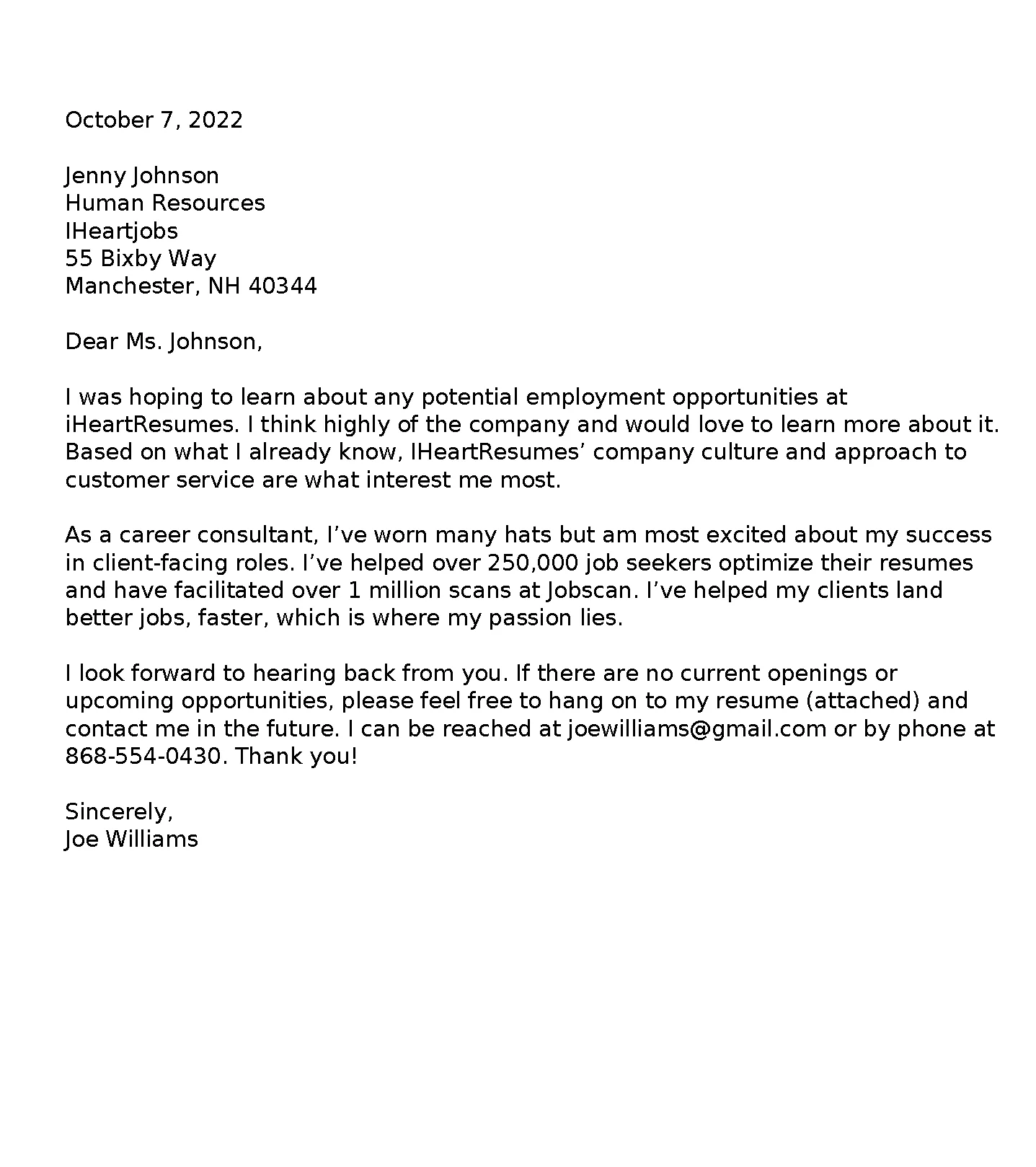
What is a Cover Letter?
A cover letter is a crucial document that accompanies your resume when applying for a job. It serves as a personalized introduction, allowing you to highlight your qualifications, skills, and enthusiasm for the specific position and company. Think of it as your first opportunity to make a positive impression and demonstrate why you are the ideal candidate. A well-crafted cover letter can significantly increase your chances of getting an interview. It goes beyond simply listing your experience; it tells a story about your career aspirations and how you can contribute to the employer’s success. Without a cover letter, your application might be overlooked, as it lacks the personal touch and context that hiring managers seek.
The Purpose of a Cover Letter
The primary purpose of a cover letter is to persuade the hiring manager to read your resume and consider you for an interview. It allows you to express your interest in the role, explain why you are a good fit, and showcase your unique value proposition. The cover letter allows you to personalize your application and address the specific requirements of the job description. It provides an opportunity to elaborate on your accomplishments, connect your skills to the company’s needs, and demonstrate your understanding of the role and the organization. It is where you can express your enthusiasm and explain your career goals in relation to the position. A well-written cover letter can differentiate you from other applicants and make you stand out from the competition. A cover letter should also provide context and fill in any gaps not addressed by the resume.
Key Components of a Cover Letter

A strong cover letter is comprised of several key components, each playing a vital role in conveying your suitability for the job. These components, when combined effectively, present a compelling narrative that captures the reader’s attention. The layout should be clean, concise, and easy to read. Proper formatting ensures your message is easily understood. The cover letter should be free of grammatical errors. A well-structured and meticulously written cover letter reflects professionalism and attention to detail. Each section contributes to presenting a complete profile of the applicant.
Header Section
The header of your cover letter is essential for providing contact information and ensuring a professional appearance. This section sets the stage for the rest of your letter and allows the recipient to quickly identify you. It’s a straightforward way to introduce yourself and to provide the necessary contact information if they choose to reach out. Accuracy and neatness are important. A well-organized header makes a positive first impression and makes it easy for recruiters to find your contact information.
Applicant Information
At the top left or right of your cover letter, include your full name, address, phone number, and professional email address. Ensure that your email address sounds professional. This information allows the recruiter or hiring manager to quickly identify you and contact you if needed. This should be the first element the reader encounters. Using a professional font is also key.
Date and Recipient Information

Below your information, include the date you are sending the cover letter. Following this, on the left side, list the recipient’s name (if you know it), their title, the company name, and the company address. Addressing the letter to a specific person, rather than using a generic greeting, demonstrates that you’ve done your research and taken the time to personalize your application.
Greeting
Start your cover letter with a professional greeting. Using “Dear Mr./Ms./Mx. [Last Name]” is standard practice if you know the hiring manager’s name. If you’re unsure, “Dear Hiring Manager” is acceptable. Avoid generic greetings like “To Whom It May Concern.” The greeting sets the tone for the rest of your letter and shows respect for the recipient. Proper capitalization and the use of a colon or comma are important.
Body Section
The body of your cover letter is where you make your case for why you’re the right fit for the job. This section is your chance to tell a story about your skills, experience, and enthusiasm, aligning them with the requirements outlined in the job description. A well-crafted body section captivates the reader’s interest and convinces them of your value. It is crucial to make this section as compelling as possible.
Opening Paragraph

The opening paragraph should immediately grab the reader’s attention. Start by stating the position you are applying for and where you found the job posting. Then, briefly highlight your most relevant qualifications and express your enthusiasm for the role and the company. The opening paragraph sets the tone and gives the reader a quick overview of why you are a good fit. The goal is to spark their interest and encourage them to keep reading. Don’t waste words, get straight to the point.
Highlighting Your Skills and Experience
In the subsequent paragraphs, provide specific examples of how your skills and experience align with the job requirements. Refer to the job description and tailor your examples to the key responsibilities and qualifications. Use action verbs to describe your accomplishments and quantify your achievements whenever possible. Focus on the most relevant skills and experiences that demonstrate your ability to succeed in the role. Back up your claims with tangible evidence of your past performance, showing the impact you made in previous roles. Show, don’t just tell, what you can do.
Demonstrating Your Enthusiasm
Throughout the body of your cover letter, express your genuine enthusiasm for the position and the company. Explain what specifically interests you about the role, the organization’s mission, or its products/services. Show that you’ve done your research and understand the company’s values and goals. Demonstrate how your personal and professional values align with the company’s culture. Your passion will make your application stand out and help you to make a strong impression.
Closing Paragraph

Summarize your qualifications and reiterate your interest in the position in the closing paragraph. Thank the hiring manager for their time and consideration. Express your eagerness to learn more about the opportunity and the company. Make sure the conclusion paragraph is positive and leaves the reader with a sense of your professionalism and interest in the role. Be sure to maintain the tone of the rest of the letter.
Call to Action
Include a clear call to action. This could be stating your availability for an interview or expressing your willingness to provide additional information. Make it easy for the hiring manager to move forward with your application. The goal is to make the next step for them easy.
Closing
End your cover letter with a professional closing, such as “Sincerely” or “Best regards.” Leave space for your signature above your typed name if submitting a physical copy. Ensure a professional and polished conclusion. These closings are standard practice and help to maintain a formal and respectful tone.
Formatting and Style

Formatting and style play a significant role in the overall impact of your cover letter. A well-formatted document is easier to read and reflects professionalism. These elements, when used effectively, can help you make a positive first impression.
Font Choice
Choose a professional and easy-to-read font, such as Times New Roman, Arial, or Calibri. Keep the font size between 10 and 12 points. Avoid using overly stylized or unusual fonts that could distract the reader. The goal is to choose a font that is not only readable but also professional. These fonts are standard and will not distract the reader from the content.
Margins and Spacing
Use standard 1-inch margins on all sides of your cover letter. Double-space between paragraphs to make the text easier to read. Ensure that there is adequate white space to make your letter visually appealing and uncluttered. This allows the content to breathe and ensures the reader’s eyes can easily navigate the text. Avoid a cramped or overly dense layout. The goal is to create a document that is accessible and pleasant to read.
Proofreading and Editing

Thoroughly proofread your cover letter for any grammatical errors, spelling mistakes, or typos. Errors can undermine your credibility and make you appear unprofessional. Have a friend or colleague review your letter as well, as a fresh pair of eyes can often catch mistakes you might miss. Pay close attention to the tone and ensure that your writing is clear, concise, and compelling. A well-edited cover letter showcases your attention to detail and commitment to quality.
Cover Letter vs. Resume
While your resume provides a detailed summary of your work history and skills, the cover letter allows you to elaborate on those details and demonstrate your personality. The resume is a factual document that lists your experience, education, and skills, while the cover letter is a narrative that tells the story of your career and explains why you are the best fit for the job. The cover letter personalizes your application. The resume is a quick reference tool, while the cover letter expands on the information and can be used to focus on a specific aspect of the job.
When to Use a Cover Letter
Always submit a cover letter unless the job posting explicitly states not to. When applying for a job, the cover letter is considered an essential component of your application. When applying for a job, a cover letter is almost always required, even if the job description does not explicitly mention it. A cover letter is your best opportunity to go beyond the information in the resume.
Cover Letter Examples

Reviewing cover letter examples can provide you with valuable insights and inspiration. Look for examples that match your industry and the type of role you are seeking. Pay attention to how the candidates highlight their skills, experience, and enthusiasm. Use these examples as a guide, but always customize your cover letter to reflect your unique qualifications and the specific requirements of each job. Adapt the best examples to your personal situation. Take the time to review examples, making sure to tailor the finished product.