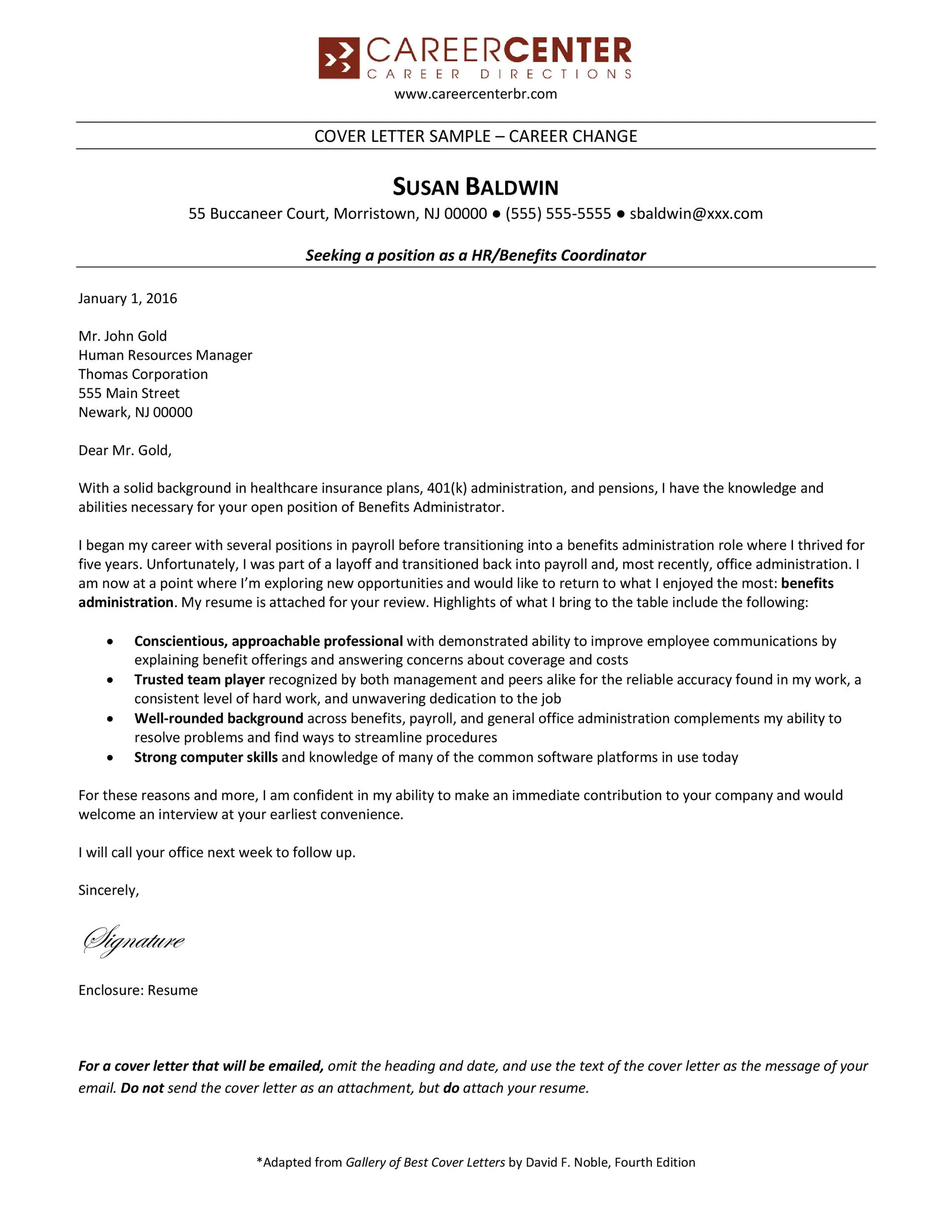
Understanding the Career Cover Letter
A career cover letter is a crucial document accompanying your resume when applying for jobs. It serves as your introduction to a potential employer, providing an opportunity to showcase your skills, experience, and personality. Unlike a resume, which offers a brief overview of your qualifications, the cover letter allows you to elaborate on your achievements and explain why you are the ideal candidate for the position. It’s your chance to make a strong first impression and convince the hiring manager to read your resume. A well-crafted cover letter can significantly increase your chances of securing an interview, ultimately leading to a job offer. Therefore, it is crucial to understand its purpose and how to write a compelling one.
The Purpose of a Cover Letter
The primary purpose of a cover letter is to introduce yourself to the employer and express your interest in the specific job. It allows you to highlight the most relevant aspects of your resume, demonstrating how your skills and experience align with the job requirements. It’s also a way to personalize your application, showing that you’ve researched the company and understand their needs. Additionally, a cover letter provides context for your qualifications, allowing you to explain any gaps in your employment history or career changes. A strong cover letter can set you apart from other applicants, showcasing your enthusiasm, professionalism, and unique value proposition. Moreover, it demonstrates your communication skills, which is essential in any professional environment.
Key Elements of an Effective Cover Letter

An effective career cover letter consists of several key elements that work together to create a compelling narrative. It should start with a professional header including your contact information and the date, followed by the recipient’s details. The opening paragraph should immediately capture the reader’s attention by stating the position you’re applying for and expressing your enthusiasm. The body of the letter is where you elaborate on your skills and experience, providing specific examples to support your claims. Use this section to quantify your achievements and explain your fit for the role. The closing paragraph should reiterate your interest, summarize your key qualifications, and include a call to action, such as requesting an interview. Finally, proofread your letter meticulously to avoid any errors in grammar or spelling.
Header and Contact Information
The header of your cover letter should include your name, address, phone number, and email address. Make sure to use a professional email address. Following this, include the date and the recipient’s details, such as their name, title, and the company’s address. Ensure all information is accurate and up-to-date. This section sets the tone for your letter and provides the necessary information for the employer to contact you. Always double-check the accuracy of the recipient’s details to show attention to detail, which is crucial. A well-formatted header gives a professional appearance.
Professional Formatting
Use a clean and easy-to-read font, such as Times New Roman, Arial, or Calibri, with a font size between 10 and 12 points. Maintain consistent formatting throughout the document, including single spacing within paragraphs and double spacing between paragraphs. Align your text to the left and use a professional letterhead if you have one. Avoid excessive use of bolding, italics, or underlining, as they can make your letter look cluttered. Proper formatting enhances readability and makes your cover letter more appealing to the reader. This shows that you pay attention to detail, a valuable skill in any job.
Writing the Perfect Career Cover Letter Sample

Crafting the perfect career cover letter requires careful attention to detail and a strategic approach. Tailor your letter to each specific job application, highlighting the skills and experiences that are most relevant to the position. Research the company and demonstrate your understanding of their values and goals. Use action verbs to describe your accomplishments and quantify your achievements whenever possible. Maintain a professional tone throughout the letter, and proofread carefully for any errors. The perfect cover letter is not just a summary of your resume; it’s a compelling narrative that showcases your unique value and why you’re the ideal candidate. Take the time to make it engaging and personable.
Opening the Cover Letter
The opening paragraph of your cover letter is your opportunity to grab the reader’s attention. Start by clearly stating the position you are applying for and where you found the job posting. Express your enthusiasm for the opportunity and the company. If possible, mention something specific that attracted you to the role or organization, demonstrating that you’ve done your research. Avoid generic openings such as “I am writing to apply for the position.” Instead, aim for a more engaging and personalized approach. A strong opening sets the tone for the rest of your letter and encourages the reader to continue reading your application.
Highlighting Skills and Experience
In the body paragraphs, focus on highlighting your skills and experience that are most relevant to the job description. Review the job requirements carefully and identify the key qualifications the employer is seeking. Then, provide specific examples of how you’ve demonstrated those skills in your previous roles. Use the STAR method (Situation, Task, Action, Result) to structure your examples, providing context, describing the task, explaining the actions you took, and highlighting the positive results. This approach allows you to demonstrate your abilities effectively. Focus on quality, not quantity and pick relevant experiences.
Quantifying Achievements

Whenever possible, quantify your achievements to demonstrate your impact. Instead of saying “Improved customer satisfaction,” state “Increased customer satisfaction by 15% through implementing a new feedback system.” Use numbers and metrics to show the results of your work and provide concrete evidence of your abilities. This makes your accomplishments more tangible and persuasive. Quantifying your achievements shows that you are results-oriented and understand the importance of measuring success. This adds credibility to your claims and showcases your effectiveness.
Expressing Enthusiasm and Fit
Throughout your cover letter, express your enthusiasm for the position and the company. Show that you’ve researched the organization and understand their values, mission, and goals. Explain why you’re a good fit for their culture and how your skills and experience align with their needs. Demonstrate your passion for the industry and your willingness to contribute to their success. This helps the hiring manager see you as a valuable asset, not just a candidate. Showing genuine interest will help you stand out from other applicants. Your enthusiasm should be evident in every paragraph.
Closing the Cover Letter
In your closing paragraph, reiterate your interest in the position and summarize your key qualifications. Thank the hiring manager for their time and consideration. Include a call to action, such as requesting an interview or expressing your availability to discuss your application further. End with a professional closing, such as “Sincerely” or “Best regards,” followed by your name. The closing paragraph should reinforce your value proposition and leave a positive final impression. It’s your last chance to make a lasting impression.
Call to Action

A call to action encourages the hiring manager to take the next step. Instead of simply stating that you look forward to hearing from them, be proactive. Suggest scheduling an interview or offering to provide additional information. Make it easy for the hiring manager to contact you by providing your phone number and email address. A clear call to action demonstrates your confidence and eagerness for the opportunity. This demonstrates your professionalism and interest. It’s a subtle yet powerful way to move your application forward.
Proofreading and Editing
Proofreading and editing are essential steps in creating a professional cover letter. Carefully review your letter for any errors in grammar, spelling, punctuation, and formatting. Ask a friend, family member, or career counselor to read your letter for feedback. Typos and grammatical errors can create a negative impression and undermine your credibility. Use spell-check and grammar-check tools, but also read your letter aloud to catch any awkward phrasing. A well-proofread cover letter demonstrates attention to detail and professionalism.
Common Mistakes to Avoid in Your Career Cover Letter Sample
Avoiding common mistakes can significantly improve the effectiveness of your cover letter. Ensure your letter is tailored to the specific job and company. Do not reuse the same cover letter for multiple applications. Instead, customize your letter for each position. Address your cover letter to the correct person and use their name. Proofread carefully for any errors. These are simple yet crucial steps to avoid making a negative impression. Always revise and adapt. You are making a first impression, so it is important to be as professional as possible.
Typos and Grammatical Errors

Typos and grammatical errors are the most common mistakes in cover letters and can immediately disqualify an applicant. These errors show a lack of attention to detail and a disregard for professionalism. Before sending your letter, carefully proofread every word. Read your letter aloud to catch any awkward phrasing or grammatical mistakes. Consider using grammar-checking software, but always rely on your own careful review. Errors create a negative impression, so avoid them.
Generic Content
Avoid using generic content that could apply to any job or company. Tailor your cover letter to each specific role, demonstrating your understanding of the company and the job requirements. Customize the content to the job description, highlighting the skills and experiences that are most relevant. Show that you have researched the company and express your genuine interest in the opportunity. Generic cover letters often fail to make a lasting impression and fail to highlight what makes you unique. Provide details about what makes you fit.
Length and Formatting Issues
Keep your cover letter concise and to the point, ideally fitting on one page. Avoid using overly long paragraphs or excessive jargon. Ensure your formatting is clean and professional, with a readable font, consistent spacing, and proper alignment. Poor formatting can make your letter difficult to read and can make it appear unprofessional. Structure your letter logically, with clear headings and paragraphs. Good formatting enhances readability and makes a positive impression. Aim for clarity and focus.
Adapting the Career Cover Letter Sample for Different Industries

The way you approach writing a career cover letter varies depending on the industry. For instance, a cover letter for a creative role might allow more flexibility in tone and style, showcasing your creativity. A cover letter for a corporate position should maintain a formal and professional tone. Tailor your language and format to match the industry norms. Research the industry’s expectations and customize your letter accordingly. You must understand how to meet the industry’s expectations. It is very different from industry to industry.
Tailoring to Specific Job Requirements
Always review the job description and identify the key requirements and qualifications. Customize your cover letter to highlight the skills and experiences that align with those requirements. Provide specific examples to demonstrate your abilities. Use keywords from the job description. Tailoring your letter to each job shows that you have carefully considered the role and that you are a good fit. It increases the likelihood of your application being noticed by the hiring manager. Make it clear you meet the job requirements. Show how you fulfill the requirements.
Showcasing Industry-Specific Skills
Incorporate industry-specific terminology and showcase any specialized skills or experience relevant to the job. Use language and formatting that aligns with industry norms. If you have certifications or specialized training, make sure to highlight them. Demonstrate your familiarity with the industry and your commitment to staying up-to-date. This demonstrates your understanding of the industry. Your application will look much more competitive. Using industry terms makes you sound more experienced.
Resources and Further Reading

To further refine your cover letter writing skills, consider exploring additional resources. Online platforms such as LinkedIn Learning and Coursera offer courses on resume and cover letter writing. Many career websites, such as Indeed and Monster, provide templates and guides. Consult with career counselors or mentors for personalized feedback and guidance. Seek advice from experienced professionals in your field. Learning to write cover letters is an ongoing process. Utilize all of these resources to continuously improve.