Crafting a Winning Business Analyst Cover Letter
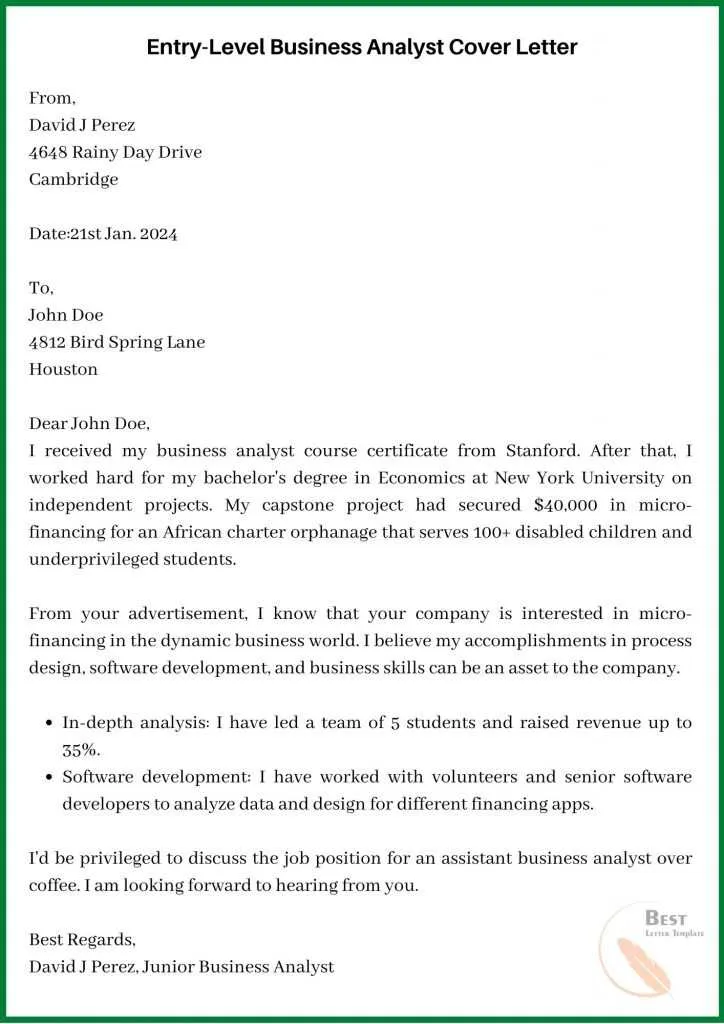
A compelling cover letter is your first opportunity to make a lasting impression on a potential employer. For a Business Analyst position, a well-crafted cover letter is crucial. It serves as more than just a formality; it’s a powerful tool to showcase your skills, experience, and enthusiasm for the role. This guide provides a comprehensive approach to creating a cover letter that grabs attention and increases your chances of landing an interview. We’ll cover everything from understanding the Business Analyst role and highlighting essential skills, to structuring your letter effectively and avoiding common pitfalls. Follow these steps, and you’ll be well on your way to crafting a cover letter that gets you hired.
Understanding the Business Analyst Role
Before you begin writing your cover letter, it’s essential to have a clear understanding of what a Business Analyst does. This clarity will allow you to tailor your letter to demonstrate your specific qualifications and how you can contribute to the company’s success. Showing you understand the position you are applying for is important.
Key Responsibilities of a Business Analyst

Business Analysts bridge the gap between business needs and technical solutions. Their primary responsibilities include requirements gathering, process analysis, data analysis, and stakeholder management. They work to improve organizational efficiency and solve business problems through technology and process improvements. Highlighting your experience with these responsibilities in your cover letter is key.
Essential Skills to Highlight
The most effective cover letters showcase a candidate’s skills that directly align with the job description. Business Analyst positions require a blend of both technical and soft skills. Emphasizing the skills that match the specific requirements of the job will significantly increase your chances of success. Make sure that you incorporate both.
Technical Skills
Technical skills are essential for a Business Analyst. These skills often include proficiency in data analysis tools, such as SQL, Excel, and data visualization software (like Tableau or Power BI). Experience with business process modeling tools (like UML or BPMN) and project management methodologies (like Agile or Scrum) are also highly valuable. Mention any experience with specific software or systems the company uses.
Soft Skills

Soft skills are equally important. Communication, both written and verbal, is paramount. Business Analysts must effectively communicate complex information to various stakeholders. Strong analytical and problem-solving skills are also critical, as is the ability to think critically and make informed decisions. Interpersonal skills, such as teamwork, leadership, and negotiation, are essential for managing stakeholders and facilitating collaboration. Highlighting your soft skills can set you apart.
Structuring Your Cover Letter
A well-structured cover letter is easy to read and clearly communicates your qualifications. Use a standard business letter format to ensure professionalism. Each section should serve a specific purpose, guiding the reader through your key accomplishments and skills. Remember that a cover letter is a complement to your resume.
Header and Contact Information
Start with your contact information: Name, phone number, email address, and optionally, your LinkedIn profile URL. Then, include the date, the hiring manager’s name (if known), their title, and the company’s address. If you don’t know the hiring manager, you can use a generic title like ‘Hiring Manager’.
Greeting and Introduction

Address the hiring manager by name if possible; otherwise, use a professional greeting like ‘Dear Hiring Manager’. Your introduction should state the position you’re applying for and briefly mention where you saw the job posting. Highlight your enthusiasm for the role and the company.
Body Paragraphs Highlighting Achievements
The body of your cover letter is where you showcase your accomplishments and how they align with the job requirements. Use a few paragraphs to elaborate on your key skills and experiences. Provide specific examples of how you’ve solved business problems, improved processes, or contributed to project success in previous roles. Focus on what you have accomplished and how that will benefit the company.
Quantifying Your Accomplishments
Whenever possible, quantify your achievements. Use numbers and data to demonstrate the impact of your work. For example, instead of saying ‘Improved efficiency,’ state ‘Improved process efficiency by 15% through the implementation of…’. This provides concrete evidence of your capabilities and makes your accomplishments more compelling. It is very important to showcase numbers whenever you can.
Tailoring to the Job Description
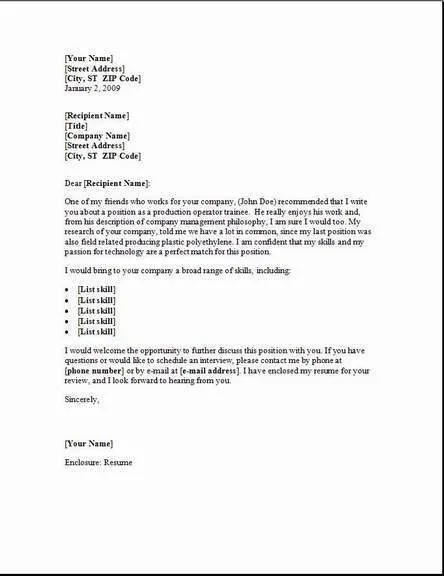
Customize your cover letter for each job you apply for. Carefully review the job description and identify the key requirements and keywords. Then, tailor your letter to address these specific needs. Explain how your skills and experiences match the employer’s requirements, showing them that you are the perfect fit. Make sure you do not send generic letters.
Closing and Call to Action
In your closing paragraph, reiterate your interest in the position and the company. Express your enthusiasm for the opportunity to discuss your qualifications further. Include a clear call to action, such as ‘I am eager to discuss how my skills and experience can contribute to [Company’s Name]’s success. I have attached my resume for your review and welcome the opportunity to speak with you further.’ End with a professional closing, such as ‘Sincerely’ or ‘Best regards,’ followed by your name.
Proofreading and Formatting
The final step is to ensure your cover letter is polished and professional. This involves careful proofreading, attention to formatting, and a keen eye for detail. A well-presented cover letter demonstrates your professionalism and attention to detail.
Common Mistakes to Avoid

Avoid common mistakes, such as typos, grammatical errors, and generic content. Ensure your letter is not too long; aim for one page. Do not simply restate your resume; elaborate on your experiences and provide additional context. Avoid negative language or mentioning past issues. Never lie or exaggerate your skills or experience, as this can damage your credibility.
Formatting Best Practices
Use a professional font, such as Times New Roman, Arial, or Calibri, with a font size between 10 and 12 points. Use single-spacing within paragraphs and double-spacing between paragraphs. Align your text to the left and avoid justifying the text, as this can make it harder to read. Use a clear and consistent format throughout your letter. Ensure that you review everything before submitting.
By following these guidelines, you can create a compelling cover letter that highlights your skills, experience, and enthusiasm for the Business Analyst position. Remember to tailor each cover letter to the specific job and company. Good luck with your job search!