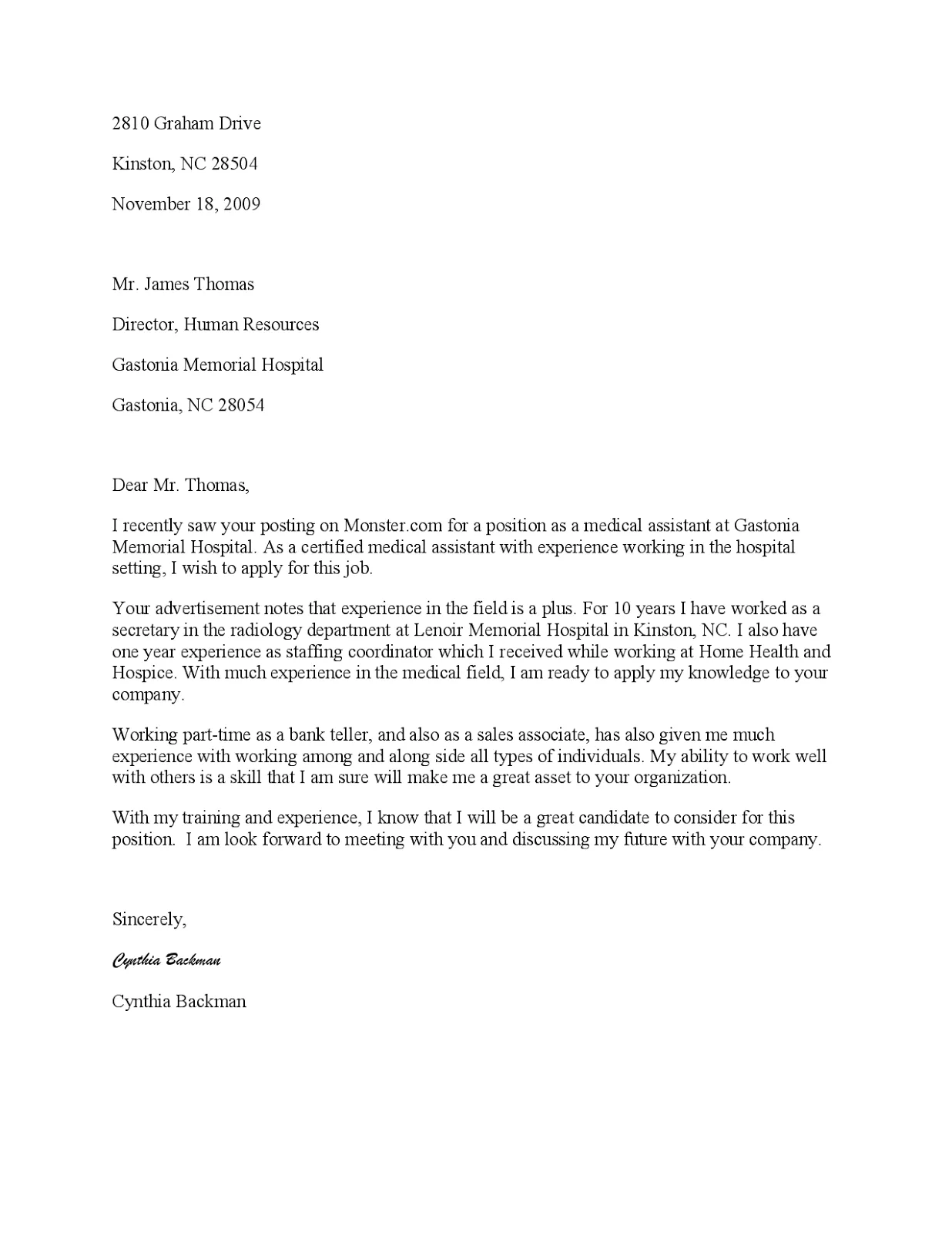
Crafting a Compelling Audiology Externship Cover Letter
Securing an audiology externship is a crucial step in your journey to becoming a successful audiologist. A well-crafted cover letter is often your first impression on potential supervisors and can significantly influence your chances of acceptance. This guide will provide you with the essential elements needed to create a cover letter that highlights your skills, expresses your enthusiasm, and ultimately, helps you land your desired externship. Remember, the cover letter is not just a formality; it’s an opportunity to showcase your personality and demonstrate your suitability for the role. It should be tailored, professional, and reflect your genuine interest in the field of audiology.
Understanding the Purpose of the Cover Letter
The primary purpose of your audiology externship cover letter is to introduce yourself to the potential site supervisor and express your interest in their program. It’s more than just a reiteration of your resume; it’s a platform to tell your story, highlight your unique qualifications, and explain why you are a good fit for their specific environment. This letter also allows you to elaborate on your skills, experiences, and motivations, demonstrating your commitment to the field and your eagerness to learn. By crafting a well-written and personalized cover letter, you demonstrate professionalism and a proactive approach that can set you apart from other applicants. Think of it as a personal marketing tool that sells your potential as a future audiology professional.
Highlighting Your Skills and Qualifications

Your cover letter should clearly showcase the skills and qualifications that make you a strong candidate for an audiology externship. Review your academic record, clinical experiences, and any relevant coursework to identify your strengths. Focus on skills that align with the externship requirements, such as proficiency in audiometric testing, experience with specific patient populations, or knowledge of hearing aid technology. Quantify your achievements whenever possible; for example, mention the number of patients you’ve assisted or the specific procedures you’ve performed. Emphasize any research experience, volunteer work, or extracurricular activities that demonstrate your passion for audiology and your dedication to patient care. Tailor this section to match the specific requirements and expectations of each externship program.
Researching Potential Externship Sites
Before you start writing your cover letter, thorough research of potential externship sites is essential. Understand the types of services they offer, the patient populations they serve, and their clinical philosophy. Visit their website, read testimonials, and if possible, connect with current or former externs to gain insights into the program. This research will help you personalize your cover letter, demonstrating that you’ve taken the time to understand their specific needs and align your goals with their program. By showing that you’ve done your homework, you convey genuine interest and enhance your chances of standing out among other applicants. Understanding the site allows you to showcase the relevant skills and experiences they are looking for, making your application more compelling.
Essential Components of an Audiology Externship Cover Letter
Contact Information and Date

Begin your cover letter with your contact information, including your full name, address, phone number, and email address. This information should be clearly presented and easily accessible. Include the date on which you are writing the letter. Make sure all the provided information is accurate and up-to-date. Following this, address the letter to the specific supervisor or hiring manager, if possible. Personalizing the letter shows that you took the time to do your research and increases your chances of catching the reader’s attention from the start. Using the correct title and name of the person you are addressing helps to establish a professional tone and demonstrate your attention to detail.
The Salutation
Use a professional salutation. If you know the name of the person you are addressing, use ‘Dear Dr. [Last Name]’ or ‘Dear Mr./Ms. [Last Name]’. If you’re unsure of the name, a general salutation such as ‘Dear Hiring Manager’ is acceptable, but try to find out the name to make it more personal. Avoid overly casual greetings. The salutation sets the tone for your letter, so ensure it’s respectful and appropriate. Always double-check the spelling of the recipient’s name and title to avoid any errors. Proper salutation establishes the professional tone you want to convey in your cover letter.
The Opening Paragraph
The opening paragraph is your first chance to grab the reader’s attention and make a positive impression. Clearly state the purpose of your letter: to apply for an audiology externship. Mention where you learned about the opportunity (e.g., a university career fair, the program’s website). Express your enthusiasm and briefly state why you are interested in this specific site. This paragraph should be concise, compelling, and designed to encourage the reader to continue reading. Aim to create an immediate connection by highlighting your knowledge of the organization and your excitement about the possibility of joining their team. This introductory paragraph should demonstrate your proactivity and your interest in the specific externship opportunity.
Expressing Your Interest and Motivation

Clearly express your interest in the audiology externship. Describe what specifically attracts you to this program or clinic, such as its reputation, its focus on a particular area of audiology, or the opportunity to work with a specific patient population. Share your motivation for pursuing a career in audiology and why you are excited about this particular opportunity. Your enthusiasm should shine through, demonstrating your genuine passion for the field. Mention any personal connections or experiences that sparked your interest in audiology, but keep the focus on your professional aspirations. Show the potential supervisor your goals are aligned with their practice.
Highlighting Relevant Experiences and Skills
Use this section to provide specific examples of your skills and experiences relevant to the audiology externship. Refer to your resume but expand on certain points to provide more detail. Briefly describe any clinical experiences, volunteer work, or research projects that demonstrate your abilities. Highlight your proficiency in specific audiological procedures, such as audiometry, tympanometry, or hearing aid fitting. Quantify your achievements whenever possible, using numbers to illustrate your impact. Emphasize any skills that align with the requirements of the externship site, showing you are capable of handling their expectations. Showcase your abilities and how you have used them in practical settings.
Demonstrating Your Knowledge of Audiology
Demonstrate your understanding of key audiology concepts and your commitment to staying current with the latest advancements in the field. Briefly mention any relevant coursework, certifications, or professional development activities that have enhanced your knowledge. Show your understanding of ethical considerations and patient-centered care. Highlight any research you have undertaken or projects you have completed. Show that you are an engaged, informed candidate who is dedicated to continuously learning and growing within the field. Expressing your knowledge and your continued interest in learning is vital to show you will be a strong asset for the program.
The Body Paragraphs

The body paragraphs form the core of your cover letter, where you provide detailed information about your skills, experiences, and qualifications. Divide the body into well-organized paragraphs, each addressing a specific aspect of your candidacy. Use clear and concise language, avoiding jargon or overly technical terms. Tailor the content to the specific requirements and expectations of the externship program. Maintain a professional and enthusiastic tone throughout, demonstrating your genuine interest in the opportunity. This is where you sell yourself to the prospective supervisor. Every paragraph should be carefully considered to show that your skills and experience align with the program.
Showcasing Your Achievements and Accomplishments
Highlight your achievements and accomplishments, using specific examples to illustrate your skills and abilities. Quantify your results whenever possible. For instance, if you improved patient satisfaction, mention the percentage increase. If you contributed to a research project, describe your role and any outcomes. Use action verbs to describe your accomplishments, and focus on what you achieved rather than simply listing your duties. Show the impact you’ve made in previous roles and how these experiences have prepared you for an externship. This demonstration is a strong indication of the value you bring to the program. Include a few of your most impressive achievements.
Tailoring Your Letter to the Specific Site
Customize your cover letter for each externship site to demonstrate your genuine interest and attention to detail. Research the specific clinic or program and identify key aspects that align with your career goals and interests. In the body paragraphs, reference the site’s specific services, patient populations, or research opportunities. Show that you’ve taken the time to understand their mission and values. Tailoring your letter is a clear sign that you are truly invested in their program and are not just sending out a generic application. Address any specific needs or requirements mentioned in the job description.
Addressing Potential Weaknesses

If there are any potential weaknesses in your application, such as a gap in your experience or a lower grade in a relevant course, address them honestly and briefly. Frame the weakness positively by explaining how you have addressed it or how you plan to improve in the future. For example, if you lack experience in a particular area, mention any steps you’ve taken to gain knowledge or training. Avoid making excuses; instead, focus on your commitment to learning and professional growth. Showing self-awareness and a proactive approach can demonstrate your maturity and dedication.
The Closing Paragraph
The closing paragraph should reiterate your interest in the audiology externship and express your gratitude for the reader’s time and consideration. Briefly summarize your key qualifications and restate your enthusiasm for the opportunity. Include a clear call to action, such as inviting the reader to contact you for an interview or providing additional information. Use a professional closing, such as ‘Sincerely’ or ‘Best regards’. Proofread this paragraph to ensure it is grammatically correct and reflects a positive and confident tone. Thank them for taking the time to read your cover letter and reviewing your credentials.
Reiterating Your Interest and Expressing Gratitude
Reiterate your strong interest in the audiology externship opportunity. Reinforce the key reasons why you are a good fit for the program and why you are excited about the prospect of joining their team. Express sincere gratitude to the hiring manager or supervisor for considering your application. Thank them for their time and effort in reviewing your materials. This final impression should leave the reader with a positive view of you and your qualifications. Restating your strong interest reinforces the message and the benefits you are hoping to acquire from the externship.
Call to Action

End your cover letter with a clear call to action. This could be as simple as stating your availability for an interview. Provide your contact information again for easy reference. Express your willingness to provide any additional information or materials. This encourages the reader to take the next step in the application process. A clear call to action indicates confidence and initiative. For example, invite them to contact you if they require additional information or materials. Make it easy for them to contact you.
Formatting and Proofreading Your Cover Letter
Formatting and proofreading are crucial steps in creating a professional cover letter that reflects your attention to detail. Ensure that your letter is easy to read, well-organized, and free of any errors. These elements significantly impact the first impression you make on potential supervisors, so take time to make your letter as clean and easy to understand as possible. A polished cover letter is a sign of respect for the recipient and demonstrates your commitment to excellence.
Choosing the Right Font and Format
Select a professional and easy-to-read font, such as Times New Roman, Arial, or Calibri. Use a font size between 11 and 12 points. Ensure your letter is well-formatted, with clear margins, consistent spacing, and appropriate paragraph breaks. Use headings and bullet points to organize information and make it easy to scan. Use the same font and formatting as your resume for consistency. A well-formatted letter shows professionalism and demonstrates your respect for the recipient’s time.
Proofreading for Errors and Ensuring Clarity

Thoroughly proofread your cover letter for any grammatical errors, spelling mistakes, or typos. Check for correct punctuation and proper sentence structure. Read your letter aloud to catch any awkward phrasing or unclear sentences. Ask a friend, family member, or career counselor to review your letter for feedback. Ensure that your language is clear, concise, and professional. A polished and error-free cover letter demonstrates your attention to detail and professionalism. Reviewing your letter for errors will make your cover letter more impactful.
Seeking Feedback from Others
Before submitting your cover letter, seek feedback from trusted sources. Ask a professor, career advisor, or mentor to review your letter and provide constructive criticism. Ask them to check for clarity, accuracy, and overall effectiveness. Consider their suggestions and revise your letter as needed. Getting a second opinion can help you identify areas for improvement and ensure your cover letter is as strong as possible. Their input will help to ensure that your cover letter is as strong and impactful as possible.
Following Up on Your Cover Letter
Following up on your cover letter demonstrates your continued interest and professionalism. It shows you are proactive and committed to securing the externship. Knowing when and how to follow up is crucial for making a positive impression without seeming overly persistent. Thoughtful follow-up can often be the difference between getting an interview and being overlooked. Take the time to show genuine enthusiasm and professionalism while you follow up.
When and How to Follow Up
Wait a reasonable amount of time before following up. A week or two after the application deadline is usually appropriate. Send a brief and professional email to the hiring manager or supervisor. Reiterate your interest in the audiology externship and briefly mention your qualifications. Inquire about the status of your application and express your availability for an interview. Keep the tone professional and courteous. Avoid being overly persistent or demanding. A well-timed and polite follow-up can significantly increase your chances of getting a positive response.
Showing Continued Interest and Professionalism
Throughout the application process, maintain a high level of professionalism. Respond promptly to any communications from the externship site. Be polite, respectful, and enthusiastic in all your interactions. If you are offered an interview, prepare thoroughly and arrive on time. Dress professionally and be prepared to answer questions about your skills, experiences, and goals. Even if you are not selected for the externship, send a thank-you note expressing your gratitude for the opportunity. Maintaining professionalism throughout the entire process is a key component in a successful application.