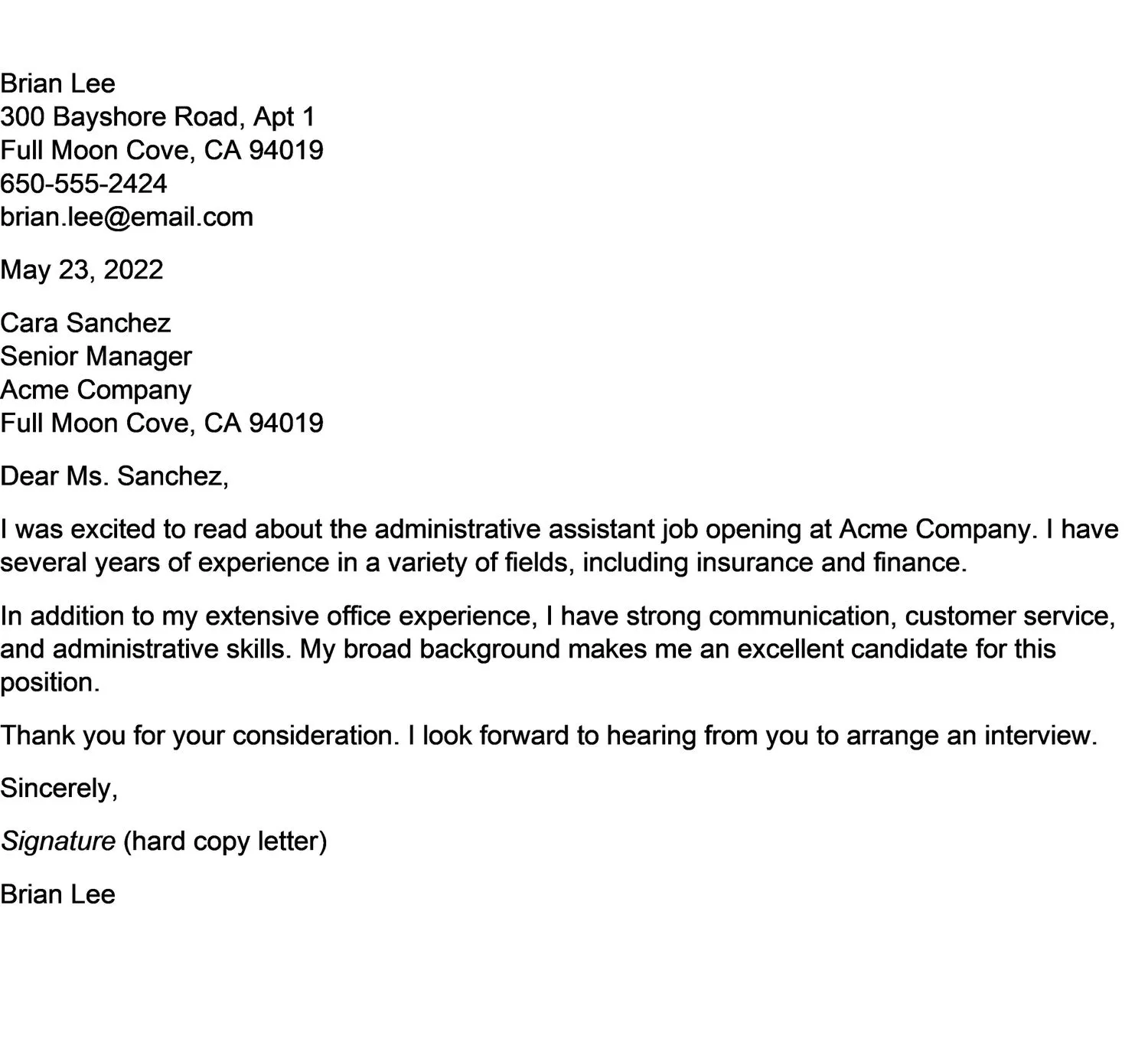
Understanding the Admin Assistant Role
Administrative assistants are the backbone of any successful organization, providing crucial support to ensure smooth operations. They manage a wide range of tasks, from scheduling meetings and managing correspondence to handling finances and coordinating office activities. This role demands strong organizational skills, excellent communication abilities, and a proactive approach. A well-crafted cover letter is your first opportunity to showcase these attributes and convince the hiring manager that you are the ideal candidate. Your cover letter should highlight your understanding of the administrative assistant role and its importance within the company.
Essential Skills for Admin Assistants
Admin assistants require a diverse skillset to excel in their roles. Core competencies include strong organizational and time-management skills to prioritize tasks and meet deadlines. Excellent communication skills, both written and verbal, are essential for interacting with colleagues, clients, and vendors. Proficiency in various software, such as Microsoft Office Suite (Word, Excel, PowerPoint, Outlook), is also critical. Other important skills include attention to detail, problem-solving abilities, adaptability, and a professional demeanor. Your cover letter should demonstrate how you possess these skills and provide specific examples of how you have utilized them in previous roles. Highlight your ability to multitask effectively and manage competing priorities.
Creating a Compelling Cover Letter

A well-written cover letter complements your resume and provides a platform to elaborate on your qualifications and express your enthusiasm for the position. It’s an opportunity to highlight your skills, experience, and personality in a way that a resume cannot. Your cover letter should be tailored to each specific job application, reflecting the requirements outlined in the job description. Customize the letter to demonstrate you have researched the company and understand its values and mission. This is crucial to making a positive first impression and capturing the hiring manager’s attention. Remember, a compelling cover letter can significantly increase your chances of securing an interview.
Header
Your cover letter’s header should include your contact information, making it easy for the employer to reach you. This section should be clear, concise, and professional. It sets the tone for the rest of the letter. Ensure that the information provided is up-to-date and accurate, including your full name, phone number, email address, and optionally, your LinkedIn profile URL.
Your Contact Information
Begin with your full name at the top, followed by your address, phone number, and a professional email address. Avoid using an unprofessional email address. If you have a LinkedIn profile, include the URL to showcase your professional network and experience.
Employer’s Contact Information

Below your contact information, include the employer’s contact details. This usually includes the hiring manager’s name (if known), their title, the company’s name, and the company’s address. Addressing the letter to a specific person, rather than using a generic greeting, shows that you’ve taken the time to research and personalize your application. Research the company website or LinkedIn to find the hiring manager’s name.
Salutation
Start your cover letter with a professional salutation. If you know the hiring manager’s name, use “Dear Mr./Ms./Mx. [Last Name].” If you don’t know the name, use “Dear Hiring Manager” or “Dear [Company Name] Team.” Avoid overly casual greetings.
Body Paragraphs
The body of your cover letter is where you sell yourself. It should consist of several paragraphs that highlight your skills, experience, and enthusiasm for the position. Each paragraph should serve a specific purpose.
Opening Paragraph

Your opening paragraph should grab the reader’s attention and state the purpose of your letter. Mention the specific position you are applying for and how you found the job posting. Briefly highlight your most relevant skills or experiences to pique the hiring manager’s interest. Express your enthusiasm for the opportunity and the company.
Highlighting Skills and Experience
In the subsequent paragraphs, delve into your skills and experience. Align your qualifications with the requirements mentioned in the job description. Provide specific examples of your achievements and how you’ve demonstrated the essential skills required for the role. Mention software proficiency, experience in managing schedules, or ability to handle sensitive information. Focus on accomplishments, not just responsibilities.
Quantifying Achievements
Whenever possible, quantify your achievements. Use numbers and data to demonstrate your impact in previous roles. For example, instead of saying “Improved office efficiency,” say “Streamlined office processes, resulting in a 15% increase in productivity.” Quantifiable results demonstrate your ability to make a real difference in the workplace.
Expressing Enthusiasm for the Role

Conclude your body paragraphs by reiterating your interest in the position and the company. Explain what specifically excites you about the role and why you are a good fit. Mention any research you’ve done about the company or any connections you feel. Express your confidence that you possess the skills and experience needed to be successful in the role.
Closing Paragraph
Your closing paragraph should summarize your key qualifications and express your interest in the opportunity. This section emphasizes your suitability for the position and thanks the reader for considering your application.
Call to Action
Include a clear call to action in your closing. State that you are eager to discuss your qualifications further and are available for an interview. Make it easy for the employer to contact you by providing your phone number or email again.
Formal Closing

End your letter with a professional closing such as “Sincerely,” “Best regards,” or “Yours faithfully.” Avoid overly casual closings like “Thanks” or “Cheers.” Follow this with a blank line and then your typed name.
Proofreading and Editing
Before submitting your cover letter, proofread it carefully for any errors in grammar, spelling, and punctuation. Errors can make a negative impression. Read it aloud to catch any awkward phrasing or typos. Consider having a friend or career advisor review your letter for feedback.
Formatting Your Cover Letter
The appearance of your cover letter is important. It should be easy to read and well-organized. Use a professional font and maintain consistent formatting throughout the document. Proper formatting helps showcase your attention to detail and professionalism.
Choosing the Right Font and Size

Choose a readable font such as Times New Roman, Arial, or Calibri. Use a font size between 10 and 12 points. Ensure consistent spacing throughout the letter. Use appropriate margins (typically 1 inch) to create a balanced look. Avoid using elaborate fonts or excessive formatting that might distract the reader. Proper formatting showcases your professionalism.
Cover Letter Examples and Templates
Utilizing cover letter examples and templates can be incredibly helpful, providing a framework to guide your writing. Numerous online resources offer templates that can be customized to fit your unique qualifications. These resources can help you structure your letter, ensuring you include all the necessary information and present yourself effectively. Always customize templates to match your skills and the specific job description. Remember, your cover letter should reflect your individuality and highlight your most relevant experiences.
Common Mistakes to Avoid
There are several common mistakes to avoid when writing a cover letter. Avoid generic cover letters that are not tailored to the specific job or company. Refrain from including excessive personal information that is not relevant to the role. Do not simply restate your resume; use the cover letter to expand on your qualifications and highlight your achievements. Ensure that your cover letter is free of errors. A well-written cover letter is essential in making a strong first impression. Proofreading and editing are critical steps to avoid these pitfalls.
Submitting Your Cover Letter

When submitting your cover letter, follow the instructions provided in the job posting. Save your cover letter as a PDF to preserve the formatting. Send your cover letter and resume together, unless otherwise instructed. Ensure your email address is professional. Consider using a clear and descriptive subject line for your email. Double-check all attachments and contact information before sending. Following these steps ensures a professional presentation and increases the likelihood of your application being considered.
In conclusion, a well-crafted cover letter is a crucial component of a successful job application for an administrative assistant position. By understanding the role’s requirements, highlighting your skills, and following these guidelines, you can create a cover letter that effectively showcases your qualifications and increases your chances of landing an interview. Take the time to tailor each letter to the specific job, proofread meticulously, and always present yourself professionally. Good luck with your job search!